
Air Monitoring
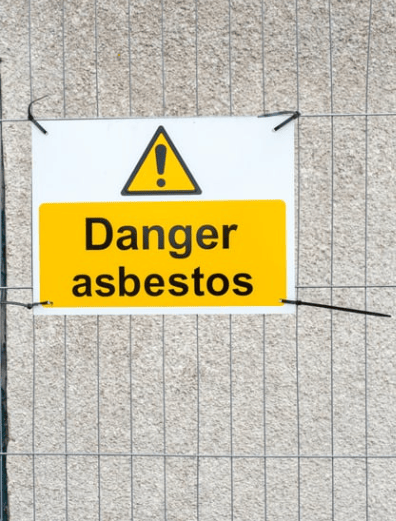
Accurate asbestos air testing and four-stage clearance aligned with HSG248 are essential for ensuring safe environments. Our team utilizes state-of-the-art equipment and follows strict protocols to guarantee the highest standards of air quality assessments. By implementing these comprehensive measures, we provide peace of mind to our clients and help maintain regulatory compliance.
Air Monitoring
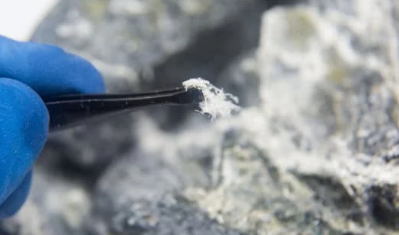
Asbestos air monitoring measures airborne asbestos fibre concentrations to evaluate control effectiveness and ensure safety in work environments. It involves specialist air sampling and analysis by accredited labs, adhering to HSE guidance. Monitoring can take place during removal to confirm enclosure integrity or after for reassurance. The results support compliance evidence and informed site safety decisions.
Four-Stage Clearance
The Four-Stage Clearance process ensures safety after asbestos removal. It involves: a preliminary site check, a visual inspection for debris, clearance air testing to verify low asbestos levels, and a final assessment post-enclosure dismantling. Once all stages are completed, a Certificate of Reoccupation is issued, confirming the area is safe for use.
What is four-stage clearance?
It’s a thorough process ensuring asbestos removal is safe and compliant.
Why is air monitoring needed?
Air monitoring checks asbestos fibers in the air to protect health during and after removal.
Who performs the clearance tests?
Qualified, independent specialists carry out clearance tests following HSE guidelines to ensure unbiased results.
How long does clearance take?
Typically, clearance testing happens immediately after removal, lasting a few hours.
Is clearance certification mandatory?
Yes, it’s required to confirm the site is safe for reoccupation.
Can you explain HSG248 compliance?
HSG248 sets the standards for asbestos removal and clearance, ensuring safety and legal compliance.
Contacts


Phone
Birmingham,
11 St Pauls Square
Grosvenor House,
Address
B3 1RB